Read Time: 6–7 minutes | Who It’s For: Vancouver-area residents who wants to learn how car accidents trigger fibromyalgia flare-ups months or even years after the incident and how to cope with the help of Dr. Perin and Dr. Wulff.
Have you ever walked away from a car accident thinking you were okay, only to find months later that the pain never really left? Maybe it started as a stiff neck or sore back, but now every part of your body feels tender. You wake up tired, ache all over, and can’t seem to shake that foggy, heavy feeling. Friends or doctors might say, “Your scans look fine” — but deep down, you know something changed after that crash.
If this sounds familiar, you’re not alone. For some people in Vancouver WA and nearby areas like Camas, Ridgefield, or Washougal, a car accident becomes more than just a physical injury. It becomes the starting point of something bigger — a pattern of pain, fatigue, and sensitivity that doctors sometimes call fibromyalgia.
After a collision, your body reacts instinctively to protect itself — muscles tighten, adrenaline spikes, and your neck and spine absorb the impact. Even if there’s no visible injury, the sudden jolt can overwhelm your nervous system. For some people, this trauma doesn’t fade; instead, it changes how their brain processes pain.
Research suggests that this reaction, called central sensitization, can make ordinary sensations feel painful and exhausting. The pain lingers, sleep becomes restless, and fatigue sets in. It’s not that your body is broken — it’s that it’s stuck in a cycle of overprotection. And for many people, that’s where fibromyalgia begins.
At the very top of your spine are two small bones — the atlas (C1) and axis (C2). These vertebrae protect the brainstem, which plays a crucial role in regulating pain, balance, and communication between your body and brain. Even a slight misalignment here — especially after a car accident — can disrupt those signals.
When your neck isn’t properly aligned, your body may stay in “fight or flight” mode. That tension and miscommunication can lead to widespread pain, fatigue, and brain fog — the same symptoms many people associate with fibromyalgia. Upper cervical care focuses on restoring alignment gently and precisely, giving your body the space to calm down and begin healing naturally.
At Balanced Living Chiropractic, Dr. Joseph Perin and Dr. Vanessa Wulff understand how deeply these invisible injuries can affect your life. They’ve worked with countless patients from Vancouver, Camas, and surrounding communities who’ve experienced long-term pain after accidents.
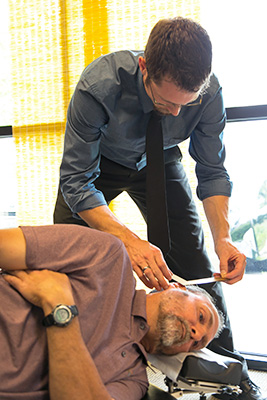
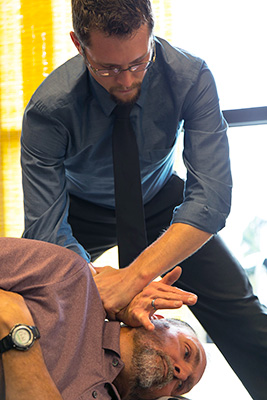
Their approach isn’t about quick fixes or forcing change. It’s about listening — really listening — to your story, your symptoms, and what your body’s been through. With gentle, precise adjustments to the upper neck, they help restore balance so your nervous system can finally relax. Over time, patients often report sleeping better, moving more freely, and feeling like themselves again — sometimes for the first time in years.
If you’ve been living with fibromyalgia-like pain since your accident, it’s easy to feel hopeless — like this is just how life will be now. But that’s not true. Healing starts with understanding what your body is trying to tell you and giving it the right kind of support.
You don’t have to live in constant pain or exhaustion. At Balanced Living Chiropractic in Vancouver WA, Dr. Perin and Dr. Wulff are here to help you rediscover what it feels like to wake up refreshed, move comfortably, and finally break free from the cycle of flare-ups.
Schedule your consultation with a chiropractor for fibromyalgia in Vancouver WA to learn more whether upper cervical care is the right fit for you.

Can a car accident really trigger fibromyalgia?
Yes. While not everyone who experiences trauma develops fibromyalgia, research shows that accidents — especially those involving whiplash — can trigger it in people who are already predisposed. The trauma can over activate the nervous system, leading to widespread sensitivity and chronic pain.
What’s the connection between the neck and fibromyalgia symptoms?
The upper neck houses nerves and blood vessels that affect your entire body. Misalignment in this area can disrupt communication between your brain and body, making pain signals stronger and recovery slower.
Is it too late to get help if my accident happened years ago?
Not at all. Many people start upper cervical care in Vancouver WA months or even decades after their injury and still notice relief. The body has an incredible ability to adapt and heal when alignment and balance are restored.
Why do my scans or tests show nothing wrong when I’m still in pain?
Fibromyalgia is often invisible on standard scans because it involves how your brain interprets pain, not structural damage. That’s why upper cervical care — which helps restore clear brain-body communication — can make such a difference.
To schedule a consultation with Dr. Joe Perin, call our Vancouver office at 360-569-1740. You can also click the button below.

If you are outside of the local area, you can find an Upper Cervical Doctor near you at www.uppercervicalawareness.com.