Reading Time: 6 minutes | Who This Blog Is For: This article is for people in Vancouver who live with jaw tension, facial pain, or clenching that seems to worsen during stressful periods. If you’ve noticed a connection between stress and TMJ, or you’re wondering why your jaw symptoms don’t improve even when you try to relax, this blog is for you.
Have you ever caught yourself clenching your jaw without realizing it—during traffic, while working, or even while sleeping? Have you noticed that jaw pain flares up during demanding weeks, emotional seasons, or times when your body feels constantly “on edge”?
If so, you’re not imagining things.
For many people, TMJ symptoms aren’t just about the jaw itself. They’re tied to how the body responds to stress—physically, neurologically, and structurally. And for some, the missing piece lies higher up in the spine than they ever expected.
Stress doesn’t only affect the mind. It shows up in the body—often through muscle tension, shallow breathing, and unconscious clenching.
When stress becomes chronic, the jaw can take on the burden. Tight muscles around the face and neck, altered posture, and prolonged tension can all increase strain on the temporomandibular joint. Over time, this can lead to pain, stiffness, headaches, or clicking that seems to come and go without a clear pattern.
This is why so many people searching for answers about stress and TMJ feel frustrated. They may try to manage stress mentally, yet their symptoms persist physically.
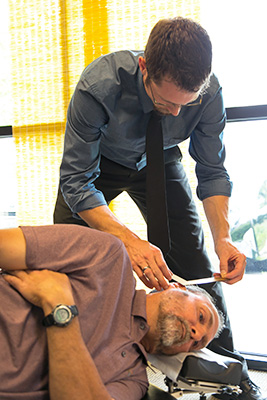
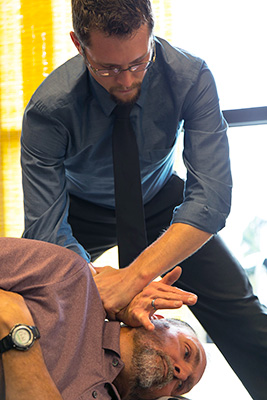
The atlas (C1) is the top vertebra in the spine. It supports the head and plays a key role in posture, balance, and how the nervous system communicates with the rest of the body.
When alignment at this level is disrupted, the body may compensate in subtle ways—often through muscle tension in the neck and jaw. Over time, this can contribute to the kind of strain that worsens TMJ symptoms, especially during periods of stress.
Understanding the relationship between atlas misalignment and TMJ helps explain why jaw pain can feel stubborn or unpredictable. It’s not just about what’s happening at the jaw—it’s about how the entire system is responding.
TMJ symptoms often don’t exist in isolation. Many people also experience neck tension, shoulder tightness, headaches, or a sense that their body never fully relaxes.
This is why some individuals begin looking for a TMJ chiropractor in Vancouver—not because they want a quick fix, but because they want a more complete evaluation of how stress, posture, and spinal alignment may be interacting.
A thoughtful chiropractic approach looks at patterns rather than isolated symptoms. It asks not just where it hurts, but why the body may be under ongoing strain.
Living in Vancouver means balancing work, family life, commutes, and constant demands—often without much downtime. Over time, that stress adds up physically.
Working with Vancouver chiropractors who understand the pace and pressures of the local community can make a difference. Care that’s attentive, measured, and focused on the whole body—not just the jaw—often feels more supportive and sustainable.
For many patients, Vancouver chiropractic care offers something they haven’t felt in a while: the sense that their body is being listened to, not rushed.
TMJ symptoms tied to stress can feel discouraging—especially when they come and go without warning. But understanding the connection between stress, posture, and upper spinal alignment can be an important step toward clarity.
At Balanced Living Chiropractic, Dr. Joseph Perin and Dr. Vanessa Wulff focus on careful evaluation and gentle care that respects how interconnected the body truly is.
If you’ve been living with jaw tension and wondering whether stress and alignment are playing a role, a consultation may help you understand what your body is asking for—and what support might make a difference.
You don’t have to force your body to relax. Sometimes, it just needs the right kind of attention. Schedule your initial consultation with our TMJ chiropractors in Vancouver WA today!

Stress doesn’t need to be conscious to affect the body. Many people clench their jaw, tighten their neck, or alter their posture without realizing it. Over time, this physical response can aggravate TMJ symptoms, even when stress feels “normal” or unavoidable.
Yes. The jaw doesn’t function in isolation. The head, neck, and jaw work together as a system. When alignment or tension higher in the spine changes how the head is supported, the jaw can absorb more strain—especially during stressful periods.
Stress management is important, but it doesn’t always address how the body has adapted structurally over time. If tension patterns or alignment issues are already present, relaxation alone may not fully resolve the physical strain contributing to TMJ discomfort.
If your jaw pain feels persistent, stress-related, or tied to neck tension—and you want a careful evaluation rather than symptom masking—it may be worth exploring. Many people seek Vancouver chiropractic care when they want to understand why their symptoms keep returning.
Patients often appreciate an approach that looks beyond isolated symptoms. Thoughtful Vancouver chiropractic care prioritizes listening, gentle assessment, and understanding how stress, posture, and alignment work together—without rushing the process.
To schedule a consultation with Dr. Joe Perin, call our Vancouver office at 360-569-1740. You can also click the button below.

If you are outside of the local area, you can find an Upper Cervical Doctor near you at www.uppercervicalawareness.com.